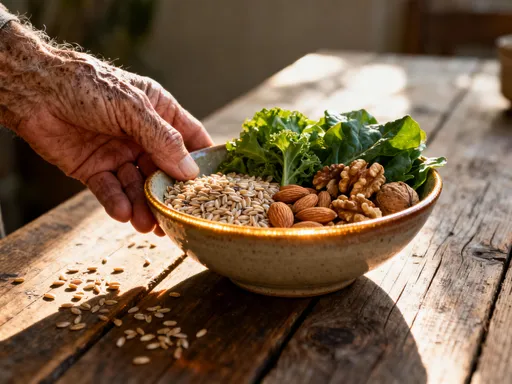
What I Learned About Balancing Blood Sugar Through Real Food Combos
Managing blood sugar isn’t just about avoiding sugar—it’s about what you pair together on your plate. I used to think cutting carbs was the answer, but after years of energy crashes and cravings, I realized it was the *combinations* that mattered most. This shift didn’t just stabilize my levels—it changed how I eat every day. Here’s what actually works, based on science and real-life testing. It’s not about strict diets or eliminating entire food groups. It’s about understanding how everyday foods interact in your body and making small, sustainable changes that add up to real results. The good news? You don’t need special supplements, expensive meals, or complicated rules. Just smarter pairing.
The Hidden Problem: Why Blood Sugar Spikes Happen (Even on Healthy Diets)
Blood sugar spikes are more common than many realize, even among people who eat what they believe is a healthy diet. A spike occurs when glucose from food enters the bloodstream too quickly, causing a surge in insulin to bring levels back down. While this process is natural, frequent or sharp spikes can lead to energy crashes, increased hunger, and over time, insulin resistance. The surprising truth is that these spikes often come from meals that seem nutritious—like a bowl of fruit with low-fat yogurt or whole-grain toast with jam. These foods contain carbohydrates, yes, but the real issue lies in how they’re served: without enough fiber, protein, or fat to slow digestion.
Take the example of a mid-morning snack of an apple and a glass of juice. Both are plant-based and contain vitamins, yet together they deliver a rapid influx of sugar with little to buffer it. The result? A quick rise in energy followed by a slump by mid-afternoon. This pattern isn’t just uncomfortable—it can disrupt long-term metabolic health. Many women in their 30s to 50s report feeling foggy, irritable, or unusually hungry a few hours after eating, not realizing that unbalanced meals are often the culprit. The body isn’t designed to handle large amounts of glucose all at once, especially without supportive nutrients to regulate its release.
Macronutrient balance is key. Carbohydrates are not the enemy; in fact, they’re an essential source of energy. The problem arises when they’re consumed in isolation. When carbohydrates are eaten alone—especially refined or high-glycemic ones—they break down quickly into glucose, overwhelming the body’s ability to manage them efficiently. However, when paired with protein, healthy fats, or fiber, the digestive process slows down, allowing glucose to enter the bloodstream gradually. This steady release prevents sharp spikes and supports more stable energy levels throughout the day. Recognizing this shift in thinking—from restriction to pairing—is the first step toward better blood sugar control.
Consider the typical breakfast of a plain bagel with jelly. It’s high in refined carbs and added sugar, with minimal protein or fat. Within an hour, blood sugar rises quickly, followed by a crash that triggers cravings for more sugar or caffeine. Contrast that with the same bagel topped with avocado and a boiled egg. The healthy fats from the avocado and the protein from the egg significantly slow digestion, reducing the glycemic impact. This doesn’t mean the bagel is inherently bad—it means the combination makes all the difference. Real-life scenarios like afternoon fatigue, difficulty concentrating, or nighttime snacking often trace back to these unbalanced meals earlier in the day.
Science Made Simple: How Food Combinations Affect Glucose Levels
Understanding how food combinations influence glucose levels doesn’t require a degree in biochemistry. At its core, the process revolves around how quickly carbohydrates are broken down and absorbed. When you eat a meal rich in simple carbohydrates without other macronutrients, your body converts those carbs into glucose rapidly. This causes a spike in blood sugar, prompting the pancreas to release insulin. Insulin’s job is to shuttle glucose into cells for energy or storage. But when this happens repeatedly, the cells can become less responsive—a condition known as insulin resistance. Over time, this increases the risk of type 2 diabetes, weight gain, and other metabolic issues.
Fiber, protein, and fat play crucial roles in slowing this process. Fiber, especially soluble fiber found in oats, legumes, and vegetables, forms a gel-like substance in the gut that delays stomach emptying. This means glucose is released more slowly into the bloodstream. Protein stimulates the release of hormones that promote fullness and also slows gastric emptying. Healthy fats, such as those in nuts, seeds, olive oil, and fatty fish, further delay digestion and help maintain satiety. Together, these nutrients create a buffering effect that smooths out glucose curves, preventing both spikes and crashes.
One fascinating concept supported by research is the “second meal effect.” This refers to how the composition of one meal can influence blood sugar responses to the next meal. For example, eating a breakfast high in fiber and protein doesn’t just stabilize glucose after that meal—it can also reduce the spike that might occur at lunchtime. Studies using continuous glucose monitors (CGMs) have shown that individuals who include healthy fats and protein in their morning meal experience flatter glucose curves not only after breakfast but also after lunch, even if the lunch contains more carbohydrates. This demonstrates that metabolic health is cumulative and interconnected across meals.
Real-world monitoring through CGMs has provided valuable insights into how different food pairings affect individuals. While these devices are often used clinically, their data has helped many people understand their personal responses to food. For instance, someone might assume that brown rice is always a better choice than white rice, but CGM data often shows that brown rice eaten alone can still cause a significant spike. However, when paired with grilled chicken and steamed broccoli, the same brown rice results in a much more gradual rise in glucose. This highlights that it’s not just the food itself, but how it’s combined, that determines its impact. The takeaway is clear: timing and pairing matter more than outright restriction.
The Plate Shift: Rethinking Meal Structure for Stability
Shifting toward balanced meals doesn’t require overhauling your entire diet. Instead, it’s about rethinking the structure of what’s already on your plate. A practical model for building stable meals is to include at least two of the three stabilizing nutrients—protein, healthy fat, or fiber—with every carbohydrate-containing meal or snack. This doesn’t mean measuring grams or tracking macros meticulously. It means making simple additions that transform the metabolic impact of familiar foods.
Consider a typical bowl of plain oatmeal. On its own, it’s a source of complex carbohydrates and fiber, but if it’s made with water and no toppings, it can still lead to a noticeable glucose rise. Now, add a tablespoon of almond butter, a handful of chia seeds, and a few sliced almonds. The healthy fats and additional fiber slow digestion, while the plant-based protein further stabilizes the response. The result is a meal that keeps you full longer and supports steady energy. Similarly, a slice of whole-grain toast with jam becomes far more balanced when topped with mashed avocado and a poached egg. The fat from the avocado and the protein from the egg act as anchors, grounding the meal and reducing its glycemic load.
Another common example is fruit. While fruit contains natural sugars, it also provides vitamins, antioxidants, and fiber. Eating an apple alone may cause a moderate spike in some people, but pairing it with a small handful of walnuts or a piece of cheese significantly blunts that response. The fat and protein in the nuts or dairy slow the absorption of fructose and glucose, turning a simple snack into a balanced one. These small changes don’t require extra time or effort—they simply involve thinking ahead about what accompanies the carbohydrate.
The concept of “anchor foods” is helpful in this shift. An anchor food is a source of protein or fat that forms the foundation of a meal, ensuring that carbohydrates are not the primary focus. For lunch, instead of a large portion of quinoa salad with minimal beans, try building the bowl around grilled salmon or chickpeas, then adding quinoa and vegetables. The protein becomes the centerpiece, naturally reducing the proportion of carbs and enhancing satiety. This approach supports not only glucose control but also long-term eating habits that are satisfying and nourishing.
Real Pairings That Work: Everyday Examples from Morning to Night
Applying these principles to daily meals can be both simple and delicious. For breakfast, consider options like Greek yogurt with mixed berries and a sprinkle of flaxseed. The protein in the yogurt, the fiber in the berries, and the healthy fats in the flaxseed create a balanced start. Another option is scrambled eggs with spinach and whole-grain toast on the side—again, combining protein, fiber, and complex carbs in a way that supports stability. For those with limited morning time, a smoothie made with unsweetened almond milk, a scoop of protein powder, frozen cauliflower (for creaminess and fiber), and a few blueberries can be both quick and effective.
Lunch can include a turkey and avocado wrap using a whole-grain tortilla, plenty of leafy greens, and mustard instead of sugary sauces. The lean protein from the turkey, the healthy fat from the avocado, and the fiber from the greens and tortilla work together to prevent a post-lunch slump. Vegetarian options like a lentil soup with a side of mixed nuts or a tofu stir-fry with broccoli and brown rice served with a drizzle of sesame oil offer similar benefits. The key is ensuring that each component contributes to balance, not just volume or taste.
Dinner doesn’t need to be complicated. A baked sweet potato topped with black beans, salsa, and a dollop of Greek yogurt provides fiber, plant-based protein, healthy fats, and complex carbohydrates in one satisfying dish. Grilled chicken with roasted Brussels sprouts and a small portion of wild rice, finished with olive oil and herbs, is another excellent choice. Even desserts can be reimagined—dark chocolate (70% or higher) with a few almonds offers a treat that satisfies without derailing glucose control.
Snacks are often where imbalances occur, but they also present an opportunity for improvement. Instead of crackers alone, pair them with hummus or cheese. Swap sugary granola bars for a banana with peanut butter or cottage cheese with pineapple. These combinations not only stabilize blood sugar but also enhance satiety, reducing the urge to snack again an hour later. Many women report that once they start making these shifts, their cravings for sweets diminish naturally. This isn’t due to willpower—it’s the result of providing the body with consistent, balanced fuel.
Beyond the Plate: Lifestyle Factors That Amplify Dietary Effects
Diet is a powerful tool, but it doesn’t operate in isolation. Sleep, stress, and physical activity all interact with how the body processes glucose. Poor sleep, for example, has been shown to impair insulin sensitivity, meaning that even a well-balanced meal may lead to a higher-than-expected glucose response if the previous night was restless. Chronic stress elevates cortisol, a hormone that increases blood sugar levels and can promote fat storage, particularly around the abdomen. When stress is high, the body may also crave quick sources of energy—like sugar and refined carbs—making it harder to stick to balanced eating patterns.
Physical movement, especially after meals, plays a significant role in glucose regulation. A short walk of 10 to 15 minutes after eating can lower post-meal glucose levels by helping muscles absorb glucose from the bloodstream. This effect is particularly beneficial after carbohydrate-containing meals and requires no special equipment or intense effort. Simply stepping outside after dinner or pacing during a phone call can make a measurable difference. Hydration also supports metabolic function; dehydration can sometimes be mistaken for hunger, leading to unnecessary snacking.
These lifestyle factors amplify the benefits of smart food combinations. A balanced meal followed by a walk and a good night’s sleep creates a positive feedback loop that supports long-term health. Conversely, even the best dietary choices may fall short if sleep is consistently poor or stress is unmanaged. The goal is not perfection in any single area, but progress across the board. Small, consistent habits—like drinking water first thing in the morning, taking a brief walk after lunch, or practicing deep breathing before bed—can enhance the effectiveness of balanced eating.
Missteps and Myths: What I Got Wrong (And Science Corrected)
Like many people, I once believed that all carbohydrates were problematic and that low-fat eating was the healthiest path. I tried cutting out bread, fruit, and even starchy vegetables, replacing them with processed low-fat products. The result? Increased hunger, mood swings, and eventual rebound eating. What I didn’t understand at the time was that not all carbs are created equal, and fat is not the enemy. Whole grains, legumes, and fruits provide essential nutrients and fiber that support gut health and sustained energy. Eliminating them entirely disrupted my metabolism and made long-term balance impossible.
Another myth I internalized was that low-fat dairy was better for weight control. However, research shows that full-fat dairy, when consumed in moderation, can be more satiating and may have a neutral or even beneficial effect on metabolic health. The removal of fat often leads to the addition of sugar or starch to improve texture and flavor, which can be counterproductive. Similarly, the idea that a very low-carb or ketogenic diet is the only way to manage blood sugar doesn’t hold up for everyone. While some people benefit from reduced carbohydrate intake, others thrive on a more balanced approach that includes complex carbs paired wisely with protein and fat.
Science has helped correct these misconceptions by emphasizing moderation, quality, and individual variation. There is no one-size-fits-all solution. What matters most is sustainability. Diets that are too restrictive often lead to burnout, making it harder to maintain healthy habits over time. The goal isn’t to eliminate foods you enjoy, but to understand how to include them in a way that supports your body. This shift—from restriction to integration—has been far more effective and emotionally satisfying.
Making It Last: Building Habits Without Burnout
Sustainable change happens gradually. Instead of overhauling every meal at once, focus on one or two small adjustments at a time. Habit stacking—adding a new behavior to an existing routine—can make this easier. For example, if you already eat oatmeal every morning, start by adding a spoonful of nut butter or a few seeds. Once that feels natural, try including a side of hard-boiled eggs a few times a week. These incremental changes are more likely to stick than dramatic overhauls.
Emotional eating and environmental triggers are real challenges, especially for women managing busy households and multiple responsibilities. Rather than viewing these moments as failures, approach them with curiosity and compassion. Ask yourself: Am I eating because I’m hungry, stressed, or bored? Is there another way to meet this need? Sometimes, a five-minute stretch, a cup of herbal tea, or a brief conversation with a loved one can address the underlying urge without turning to food.
The environment also plays a role. Keeping healthy fats, proteins, and fiber-rich foods visible and accessible makes balanced choices easier. Stocking the pantry with nuts, seeds, canned beans, and whole grains ensures that quick meals can still be nutritious. Prepping small portions of hard-boiled eggs, sliced vegetables, or Greek yogurt in advance reduces decision fatigue during busy days.
Long-term health is not a destination but an evolving practice. There will be days when meals are less balanced, and that’s okay. The goal is progress, not perfection. Each meal is an opportunity to support your body, not a test of willpower. By focusing on balance, nourishment, and self-compassion, you build an eating pattern that lasts—not because it’s rigid, but because it’s realistic, satisfying, and rooted in science.
Stable blood sugar isn’t about rigid rules—it’s about smarter, simpler choices in how you combine foods. The goal isn’t perfection, but progress: understanding that every meal is a chance to support your body. By focusing on balance, not deprivation, you build a way of eating that lasts. Always consult a healthcare provider before making changes, especially with chronic conditions—but know that small, science-backed shifts can lead to meaningful results over time.