What I Learned from Messing Up My Sleep — And How It Protects Your Health
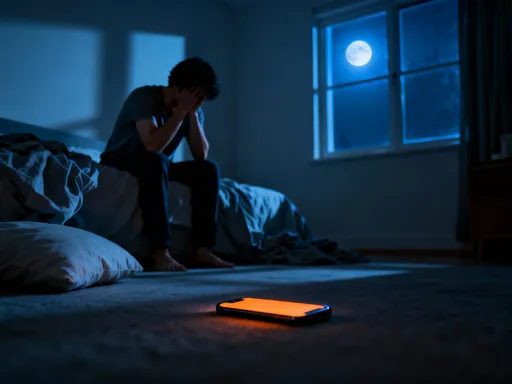
I used to think skipping sleep was a badge of productivity — until my body hit pause. Dark circles, brain fog, constant colds — my system was screaming for help. What I didn’t realize? Poor sleep isn’t just exhausting; it quietly raises the risk of long-term health issues. Through trial, error, and real changes, I discovered the common sleep traps and how avoiding them became my first line of defense. This is what actually worked — no hype, just honest lessons.
The Hidden Cost of “Just One More Hour”
Sleep is often the first sacrifice in a busy life. Many believe that giving up an hour or two at night gains them time to finish tasks, respond to emails, or catch up on household duties. But this short-term strategy carries long-term consequences. Chronic sleep deprivation — defined as consistently getting less than seven hours of sleep per night — disrupts essential bodily functions. It interferes with hormone regulation, particularly cortisol and insulin, increasing the risk of metabolic disorders such as type 2 diabetes. Over time, the body’s ability to manage blood sugar deteriorates, even in otherwise healthy individuals.
Equally concerning is the impact on the immune system. Studies show that people who sleep fewer than six hours a night are more likely to catch colds and other infections. During deep sleep, the body produces cytokines, proteins that target inflammation and infection. Without sufficient rest, this protective response weakens. The cardiovascular system also suffers. Blood pressure remains elevated longer, and the heart doesn’t get the nightly recovery it needs. Research from the American Heart Association links chronic short sleep to a higher risk of heart disease and stroke.
Perhaps the most overlooked aspect is how cumulative sleep loss affects cognitive function. Memory consolidation, emotional regulation, and decision-making all rely on quality sleep. When these processes are impaired, daily life becomes more challenging. Simple tasks feel harder, mood swings become more frequent, and concentration wavers. The irony is that people stay up late to be more productive, only to find themselves less capable the next day. The brain needs sleep to function — not as a luxury, but as a necessity.
Real-world examples are easy to find. A mother of two might stay up past midnight folding laundry and answering messages, believing she’s managing her responsibilities. But by 10 a.m. the next day, she’s reaching for a second cup of coffee, struggling to focus during a work call. Her body is not just tired — it’s in recovery mode. Over weeks and months, this pattern wears down resilience. The lesson is clear: trading sleep for time is a losing bargain. Protecting sleep isn’t laziness — it’s a form of self-care that supports every other part of health.
The Bright Side of Darkness: How Light Messes With Your Rhythm
The human body runs on a natural 24-hour cycle known as the circadian rhythm. This internal clock regulates when we feel awake and when we feel sleepy, largely in response to light and darkness. For centuries, this rhythm was guided by the sun. Today, artificial light — especially the blue light emitted by smartphones, tablets, and televisions — disrupts this delicate system. When the brain detects light at night, it interprets this as a signal to stay alert, delaying the release of melatonin, the hormone responsible for initiating sleep.
Melatonin production typically begins in the evening, rising as darkness sets in. But exposure to bright screens can suppress this rise by up to 50%, according to research published in the journal Chronobiology International. This means it takes longer to fall asleep, and the sleep that does come is often lighter and less restorative. Even dim lighting in the bedroom can interfere, particularly if it’s cool-toned or white. The brain doesn’t distinguish between the glow of a streetlamp and that of a laptop — both signal that it’s still daytime.
The consequences go beyond difficulty falling asleep. Disrupted circadian rhythms are linked to mood disorders, metabolic imbalances, and even certain cancers. Shift workers, who frequently experience misaligned light exposure, have higher rates of depression and obesity. While most people aren’t working night shifts, many replicate similar patterns by using devices late into the evening. The solution isn’t to eliminate technology, but to manage its use wisely.
Practical steps can make a meaningful difference. Dimming household lights after 8 p.m. signals the brain that bedtime is approaching. Switching to warmer-colored bulbs — those labeled 2700K or lower — mimics the soft glow of sunset. Setting a screen curfew, such as turning off all devices one hour before bed, allows melatonin levels to rise naturally. Some find it helpful to use blue light filters on devices, though these are not a complete fix. The most effective approach combines environmental changes with consistent routines, reinforcing the brain’s expectation of darkness as a cue for rest.
Caffeine’s Long Shadow — It’s Not Just About Coffee
Caffeine is one of the most widely consumed stimulants in the world, often praised for its ability to sharpen focus and fight fatigue. But its effects last far longer than most realize. The half-life of caffeine — the time it takes for half of it to leave the body — is about five to six hours. This means that if you drink a cup of coffee at 3 p.m., roughly half of that caffeine is still active in your system at 8 or 9 p.m. For sensitive individuals, even a morning latte can linger enough to disrupt nighttime sleep.
What many overlook is that caffeine isn’t limited to coffee. It’s present in tea, energy drinks, soda, chocolate, and even some over-the-counter medications, such as pain relievers and weight loss supplements. A dark chocolate bar or a can of soda in the afternoon can deliver a significant dose. The problem isn’t just that caffeine keeps you awake — it alters the structure of sleep itself. Studies show that caffeine reduces the amount of time spent in deep sleep, the stage crucial for physical recovery and memory consolidation. Even if you fall asleep, the quality is compromised.
The impact varies from person to person. Genetics play a role in how quickly the liver metabolizes caffeine. Some people are “fast metabolizers” and can drink coffee late in the day without issue. Others are “slow metabolizers” and feel jittery hours after a single cup. Age also affects sensitivity — as we get older, our bodies process caffeine more slowly, making late-day consumption riskier. Women, especially during certain phases of the menstrual cycle or while using hormonal birth control, may also experience heightened sensitivity.
To protect sleep, it’s wise to set a caffeine cutoff time — ideally no later than 2 p.m. For those who enjoy afternoon beverages, switching to decaffeinated options or herbal teas like chamomile or rooibos can provide comfort without the stimulation. Staying hydrated with water also helps maintain energy without relying on stimulants. Awareness is key. By tracking when and how much caffeine is consumed, many discover patterns that explain their nighttime restlessness. Small adjustments can lead to deeper, more restful sleep — not by adding something new, but by removing a hidden obstacle.
The Exercise-Sleep Paradox: When Working Out Backfires
Physical activity is widely recommended for better sleep. Regular exercise helps regulate the circadian rhythm, reduces anxiety, and promotes deeper sleep stages. But timing matters. Engaging in intense workouts too close to bedtime can have the opposite effect. Vigorous exercise raises core body temperature, increases heart rate, and stimulates the release of adrenaline and cortisol — all signals that tell the body it’s time to be alert, not rest.
The body needs time to wind down after exertion. While morning or afternoon exercise supports sleep, a high-intensity workout within one to two hours of bedtime may delay sleep onset. This is especially true for activities like weightlifting, running, or interval training, which place significant demands on the nervous system. The brain remains in a state of arousal, making it harder to transition into relaxation. For some, this results in lying awake for hours, replaying the day or feeling physically restless.
This doesn’t mean evening exercise should be avoided altogether. Moderate activities such as walking, gentle stretching, or yoga can actually enhance sleep quality. These forms of movement lower stress hormones and activate the parasympathetic nervous system — the body’s “rest and digest” mode. A 20-minute walk after dinner, for example, aids digestion and promotes a sense of calm without overstimulation.
The key is alignment with individual rhythms. Some people thrive on evening workouts and sleep well afterward. Others find even light activity too activating. Listening to your body is essential. If you notice that late-day exercise leads to difficulty falling asleep, consider shifting your routine earlier. Alternatively, reserve evenings for restorative practices. Simple stretches, deep breathing, or a warm bath can signal to the body that it’s time to slow down. Exercise supports sleep — but only when timed with care.
Your Bed Is for More Than Just Sleep — And That’s the Problem
The bedroom should be a sanctuary for sleep, but for many, it has become a multipurpose space. People work in bed, scroll through social media, watch television, or pay bills under the covers. While this may seem convenient, it undermines the brain’s ability to associate the bed with rest. In psychology, this is known as stimulus control — the idea that environments trigger specific behaviors based on repeated associations.
When the bed becomes linked with activity, stress, or screen time, the brain no longer sees it as a place for sleep. Instead, it expects alertness. This can make it harder to fall asleep, even when tired. The mind stays engaged, scanning emails or replaying conversations, because that’s what it has learned to do in that space. Over time, this weakens the natural sleep-wake signal, contributing to insomnia and fragmented sleep.
Rebuilding the connection between bed and sleep requires intentional changes. The first step is to reserve the bed for two activities only: sleep and intimacy. All other tasks — including reading on a tablet or checking the phone — should happen elsewhere. If you can’t fall asleep within 20 minutes, get out of bed and move to another room. Read a physical book or practice quiet breathing until you feel sleepy, then return. This teaches the brain that the bed is only for sleeping, not for lying awake in frustration.
Additional cues reinforce this shift. Keeping the bedroom cool, quiet, and dark supports sleep readiness. Removing electronic devices eliminates temptation and reduces exposure to disruptive light. A consistent bedtime routine — such as brushing teeth, washing the face, and dimming the lights — signals the body that it’s time to transition. Over time, these small habits create a powerful psychological trigger. The moment you get into bed, your body begins to relax, knowing what comes next. The bed becomes not just a piece of furniture, but a signal for restoration.
Stress, Worry, and the Midnight Mind Spiral
One of the most common barriers to sleep is not physical, but mental. Racing thoughts, unresolved worries, and the habit of replaying the day’s events can keep the mind active long after the body is ready for rest. This mental hyperarousal activates the sympathetic nervous system — the same system responsible for the “fight or flight” response. When this system is engaged at night, it blocks the relaxation needed for sleep.
Stress doesn’t have to be major to disrupt sleep. Everyday concerns — a child’s school project, a work deadline, a disagreement with a friend — can loop in the mind when the day quiets down. Without a way to process these thoughts, they gain momentum at night. The brain, now free from distractions, turns inward, often amplifying small issues. This creates a cycle: the more you try to force sleep, the more alert you become, increasing frustration and anxiety.
Breaking this cycle requires intentional pre-sleep rituals. Journaling is one of the most effective tools. Writing down thoughts, to-do lists, or worries before bed “offloads” them from the mind. This doesn’t mean solving every problem — just acknowledging it and setting it aside for tomorrow. Studies show that people who spend 10 to 15 minutes journaling before bed fall asleep faster and experience fewer nighttime awakenings.
Breathing exercises and mindfulness practices also help calm the nervous system. Techniques such as diaphragmatic breathing, where you inhale deeply through the nose and exhale slowly through the mouth, activate the vagus nerve, which promotes relaxation. Mindfulness meditation encourages non-judgmental awareness of the present moment, reducing rumination. Even five minutes of focused breathing can shift the body from alertness to calm. The goal isn’t to eliminate thoughts, but to create space from them. When the mind learns that bedtime is a time for release, not analysis, sleep becomes more accessible.
When “Fixing” Sleep Makes It Worse — The Pitfall of Overcorrection
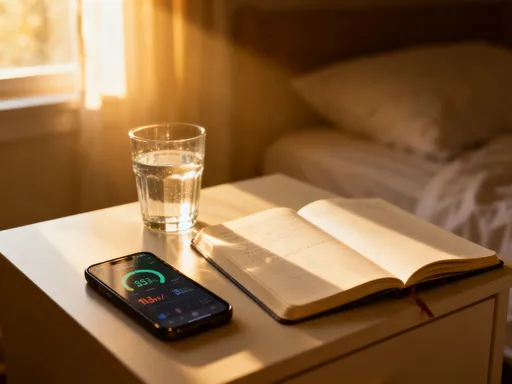
In the pursuit of better sleep, some people turn to extreme measures. Sleep trackers, strict sleep schedules, and over-the-counter supplements are often used in hopes of optimizing rest. While these tools can offer insights, they can also backfire. An excessive focus on sleep metrics — such as total sleep time, REM percentage, or wake-up frequency — can lead to a condition known as orthosomnia, a term coined to describe an unhealthy obsession with achieving perfect sleep.
Orthosomnia turns sleep from a natural process into a source of anxiety. People may lie in bed, watching the clock, worrying that they’re not getting enough deep sleep. They may avoid social events to protect their bedtime or become distressed by minor disruptions. This hyper-awareness increases stress, which ironically makes sleep harder to achieve. The more effort you put into “forcing” sleep, the more elusive it becomes. Sleep is a passive state — it cannot be willed into existence.
Supplements, while sometimes helpful, are not a substitute for healthy habits. Melatonin, for example, can assist with jet lag or shift work, but long-term use without medical supervision may disrupt the body’s natural production. Herbal remedies like valerian root or magnesium may support relaxation for some, but they are not cure-alls. Relying on pills instead of addressing root causes — such as stress, poor sleep hygiene, or underlying health issues — can delay real progress.
The solution lies in balance and self-compassion. Sleep improvement is not about perfection. It’s about consistency, awareness, and small, sustainable changes. If sleep problems persist despite good habits, it’s important to consult a healthcare provider. Conditions like sleep apnea, restless legs syndrome, or chronic insomnia require professional evaluation. There is no shame in seeking help. True sleep health means listening to your body, not punishing it for not meeting arbitrary standards.
Sleep as Prevention, Not Just Repair
Sleep is not a passive state of inactivity — it is an active process of restoration and protection. Every night, the body repairs tissues, consolidates memories, clears metabolic waste from the brain, and strengthens the immune system. These functions are not optional; they are essential for long-term health. Viewing sleep as a form of disease prevention shifts the mindset from seeing it as lost time to recognizing it as an investment.
By avoiding common missteps — late-night screen use, afternoon caffeine, poor sleep associations, and unmanaged stress — you create the conditions for restorative rest. These choices do more than improve next-day energy. They reduce inflammation, support heart health, stabilize mood, and enhance cognitive resilience. Over time, consistent sleep hygiene builds a foundation that protects against chronic illness.
The journey to better sleep doesn’t require drastic changes. Start with awareness. Notice when and how you use your bedroom, what you consume in the evening, and how you wind down. Small adjustments — reading a book instead of scrolling, turning off screens earlier, or writing down worries — can yield significant results. Progress is not measured by perfect sleep every night, but by a growing sense of alignment between your habits and your body’s needs.
Protecting your sleep is one of the most powerful things you can do for your future self. It is not about adding more to your day, but about honoring the quiet hours that make everything else possible. In a world that glorifies busyness, choosing rest is an act of courage — and one of the wisest health decisions you can make.