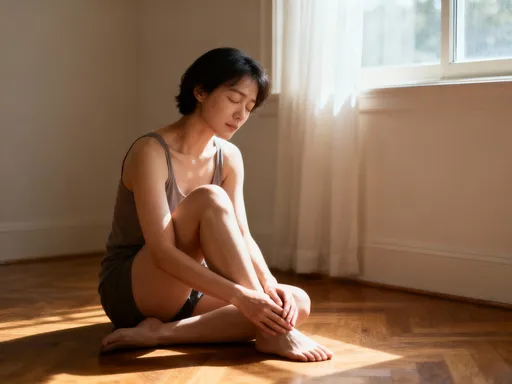
Why I Finally Made Meditation Stick — And How You Can Too
Meditation used to feel like a chore — sitting still, clearing my mind, failing every time. But after years of stress and sleepless nights, I gave it another shot. This time, it clicked. Not because I became a zen master overnight, but because I found practical ways to weave it into real life. Turns out, even a few mindful breaths can shift your entire day. If you've ever thought meditation "doesn't work," you're not alone — and there's hope.
The Burnout That Started It All
For years, life moved at a pace that felt impossible to keep up with. Between managing a household, supporting family needs, and handling daily responsibilities, there was rarely a moment to pause. The constant juggling left little room for rest, and over time, the weight of it all began to show. Sleep became restless, energy levels dipped, and even simple decisions felt overwhelming. Mental fog settled in like a persistent cloud, making it hard to focus or find joy in familiar routines. It wasn’t until a routine doctor’s visit revealed elevated stress markers that the reality sank in: something had to change.
That moment of clarity was the turning point. I had tried meditation before — briefly during a particularly rough week, once after reading an article about mindfulness, and even during a weekend retreat that promised peace in three days. Each time, I walked away feeling like I’d failed. My mind wouldn’t quiet, I couldn’t sit still for more than a few minutes, and the idea of “clearing my thoughts” seemed like an impossible standard. The problem wasn’t meditation itself, but the way I approached it. I treated it like a quick fix, expecting immediate calm and instant results. When those didn’t come, I assumed it simply wasn’t for me.
The truth was, I was asking too much too soon. Like trying to run a marathon without ever lacing up my shoes, I expected transformation without building the foundation. What I didn’t realize then was that meditation isn’t about achieving a perfect state of stillness — it’s about showing up, consistently, even when it feels messy. The real shift began not when I finally “got it right,” but when I stopped seeing it as a performance and started seeing it as practice.
What Meditation Really Is (And Isn’t)
One of the biggest barriers to starting — and sticking with — meditation is misunderstanding what it actually is. Many people, including myself at first, believe meditation means stopping all thoughts, reaching a state of complete mental silence, or achieving a deep sense of peace within minutes. This expectation sets us up for disappointment, because the mind is naturally active. Thoughts arise constantly, and that’s not a flaw — it’s a feature of being human. Meditation isn’t about eliminating thoughts; it’s about changing our relationship with them.
At its core, meditation is the practice of training attention and awareness. It’s like mental fitness — just as lifting weights strengthens muscles, meditation strengthens the ability to focus, observe, and respond rather than react. When done regularly, it helps create space between stimulus and response, allowing for more thoughtful choices in daily life. Scientific research supports this: studies have shown that consistent meditation practice can reduce levels of cortisol, the stress hormone, calm the nervous system, and improve emotional regulation. Over time, the brain begins to shift, with increased activity in areas associated with focus, empathy, and self-awareness.
Another common misconception is that meditation must involve sitting cross-legged in silence for long periods. While formal sitting practice is one form, it’s not the only way. Meditation can be as simple as paying attention to your breath for a minute, noticing the sensations in your body while washing dishes, or walking with full awareness of each step. The goal isn’t to become detached from life, but to become more present within it. By reframing meditation as a tool for mental clarity and emotional balance — not a spiritual requirement or mystical experience — it becomes far more accessible, especially for those juggling real-world demands.
Starting Small: My First Real Breakthrough
The moment meditation finally began to stick was not dramatic. There were no sudden insights or waves of calm. Instead, it came from a simple decision: to try just two minutes a day. That was it. No expectations, no pressure to “do it right,” just two minutes of sitting quietly and focusing on the breath. I set a timer on my phone with a gentle chime, sat in a chair with my feet flat on the floor, and closed my eyes. Within seconds, thoughts flooded in — about dinner, an upcoming appointment, a conversation from earlier in the day. Instead of fighting them, I gently labeled them: “thinking,” “planning,” “remembering,” and returned to the breath.
This small shift in approach made all the difference. Rather than seeing distraction as failure, I began to see it as part of the process. Each time I noticed my mind wandering and brought it back, I was strengthening my awareness — like doing a mental repetition. Over the first week, I didn’t feel dramatically different, but there were subtle signs. I caught myself before reacting sharply when the internet went down. I noticed when I was rushing through a meal and paused to actually taste my food. These moments weren’t life-changing on their own, but they signaled something important: I was becoming more aware.
By the end of the second week, I extended to three minutes. Still tiny, still manageable. The key wasn’t duration but consistency. Showing up every day, even when I didn’t feel like it, built a sense of trust — with myself and with the practice. I stopped measuring success by how still my mind was and started measuring it by whether I showed up. That redefinition alone removed the pressure that had derailed me in the past. Meditation wasn’t about perfection; it was about presence. And presence, even in small doses, began to ripple into other areas of life.
Building a Habit That Fits Your Life
One of the reasons previous attempts failed was that I treated meditation as an isolated task — something extra to add to an already full schedule. This time, I approached it differently. Instead of asking, “When can I fit this in?” I asked, “How can I connect it to what I’m already doing?” The answer was habit stacking: linking meditation to an existing routine. I chose brushing my teeth in the morning, a non-negotiable part of my day. Right after, I sat in the same chair near the window, set the timer, and began.
This simple anchor made the habit stick. Because it followed a well-established behavior, I didn’t have to rely on motivation or remember a new time. The act of finishing my morning routine naturally triggered the next step. On days when I felt restless or resistant, I reminded myself: just two minutes. Often, once I started, I’d continue longer. But even if I didn’t, the habit remained intact. Over time, the space by the window became associated with stillness, making it easier to settle in.
Of course, life isn’t always predictable. There were days I overslept, days I traveled, days when the house was noisy. When I missed a session, I learned not to treat it as a failure. Instead, I practiced self-compassion. Missing one day didn’t erase progress. What mattered was returning to the practice without judgment. On particularly busy mornings, I shifted to a walking meditation — focusing on each step as I moved from the bedroom to the kitchen. On stressful days, I used a body scan, lying down and slowly bringing attention to each part of the body, releasing tension. Flexibility, not rigidity, became the foundation of sustainability.
Tools That Actually Helped Me Stay Consistent
While meditation can be done without any tools, having support made a meaningful difference in maintaining consistency. One of the most helpful aids was a simple timer with soft chimes. Knowing exactly when to begin and end removed the need to watch the clock, allowing for deeper focus. I chose one with a gentle start and finish sound, avoiding anything jarring. This small detail made the experience feel more inviting, especially on mornings when I felt groggy or resistant.
I also explored guided sessions, particularly in the early weeks. Having a calm voice lead me through the breath or a body scan helped anchor my attention, especially when my mind felt scattered. I looked for short tracks — under five minutes — that focused on grounding, breathing, or kindness. These weren’t elaborate productions, just clear, gentle guidance that didn’t require effort to follow. Some included ambient soundscapes, like soft rain or distant ocean waves, which created a soothing backdrop without distraction.
Another tool that supported my progress was journaling for a few minutes after meditating. I didn’t write essays — just a sentence or two about how I felt, what I noticed, or any resistance that came up. This brief reflection helped me track subtle shifts over time. On weeks when I felt discouraged, flipping back through these notes reminded me of progress that wasn’t always obvious in the moment. I also used a simple calendar, placing a checkmark each day I practiced. Seeing the chain of checks grow created a quiet sense of accomplishment, not because I was chasing perfection, but because I was honoring a commitment to myself.
Noticing the Shifts — Even When They’re Subtle
The benefits of meditation didn’t arrive in a single, dramatic moment. There was no sudden transformation or overnight calm. Instead, the changes emerged gradually, like the slow light of dawn. One of the first noticeable shifts was in my sleep. I began falling asleep more easily, not because I was more tired, but because my mind wasn’t racing as much. The habit of returning to the breath during the day seemed to carry over into the night, helping me disengage from repetitive thoughts.
Another change was in my reactions. I started noticing moments of pause — tiny spaces between feeling frustrated and responding. Once, when a grocery order arrived with missing items, I felt the familiar rise of irritation. But instead of calling customer service in a heated tone, I took three deep breaths. That small act didn’t solve the problem instantly, but it allowed me to speak clearly and calmly, leading to a better outcome. These pauses weren’t always conscious at first, but over time, I began to recognize them as signs of growing emotional resilience.
Self-awareness deepened as well. I became better at catching anxiety early — noticing the tightness in my chest, the shallow breathing, the mental loops — before they escalated. This early detection gave me the chance to respond with care: stepping outside for fresh air, doing a brief breathing exercise, or simply acknowledging, “I’m feeling stressed right now.” These small interventions didn’t eliminate challenges, but they reduced their intensity. The cumulative effect was a greater sense of balance, not because life became easier, but because I was better equipped to navigate it.
Making Mindfulness a Lifestyle, Not a Task
As the formal practice of sitting meditation became more natural, I began to explore how mindfulness could extend beyond those few minutes. It started with small experiments: paying full attention while drinking my morning tea, noticing the warmth of the cup, the aroma, the first sip. I tried eating one meal a week with no distractions — no phone, no TV — simply focusing on the taste, texture, and experience of nourishment. These moments weren’t about adding more to my day, but about being more present within it.
I also brought mindfulness into transitions — those in-between moments that often go unnoticed. Instead of rushing from one task to the next, I began pausing at doorways, taking one conscious breath before entering a new space. While commuting, I turned off the radio and tuned into the sensations of driving — the grip on the wheel, the rhythm of traffic, the changing light. These brief practices didn’t require extra time, but they created pockets of awareness that softened the edges of a busy day.
Perhaps the most meaningful shift was in communication. I started pausing before responding in conversations, especially during tense moments. That small delay allowed me to listen more fully and respond with intention rather than reaction. I noticed when I was distracted, when my mind was planning my reply instead of hearing the other person, and gently brought my attention back. These informal practices reinforced the idea that mindfulness isn’t confined to silence or stillness — it’s a way of engaging with life more fully, with greater clarity and kindness.
Meditation isn’t about escaping life — it’s about showing up for it more fully. It took me time to learn that consistency beats intensity, and imperfection is part of the process. With realistic expectations and simple, doable steps, anyone can build a sustainable practice. The goal isn’t enlightenment; it’s awareness. And that small shift, repeated daily, can quietly transform everything.